Green Skills, Premium Pay: EV and Solar Roles in the 2026 Gulf Market

The Gulf is spending its oil wealth building the post-oil economy, and the workforce implication is hiding in plain sight: the region’s fastest-growing pay premiums now attach to green skills. Solar installation, EV charging infrastructure, battery systems, energy-efficient HVAC and sustainable construction techniques have moved from niche to mainstream – and the workers who hold these certifications are being bid for, not hired.
The demand is structural, not fashionable
Saudi Arabia and the UAE have committed to enormous renewable energy targets, with solar parks among the largest on earth. Green building codes now govern new construction across the emirates and the Kingdom. EV adoption targets translate directly into charging networks that someone must install and maintain. Every one of those someones is a certified tradesperson whose skills did not exist as a Gulf job category fifteen years ago.
The wage signal is clear. Workers with solar PV installation credentials, EV charger certification, or energy-management training command premiums over conventional trade rates – and the gap widens as project pipelines outrun the supply of qualified hands.
Where workers get the skills
The training infrastructure is catching up. India’s skill missions have added solar and EV modules to their programmes, Philippine and Kenyan technical institutes are following, and Gulf employers increasingly sponsor certification for proven workers. For an electrician or HVAC technician already in the region, adding a green credential is the single fastest route to a pay rise.
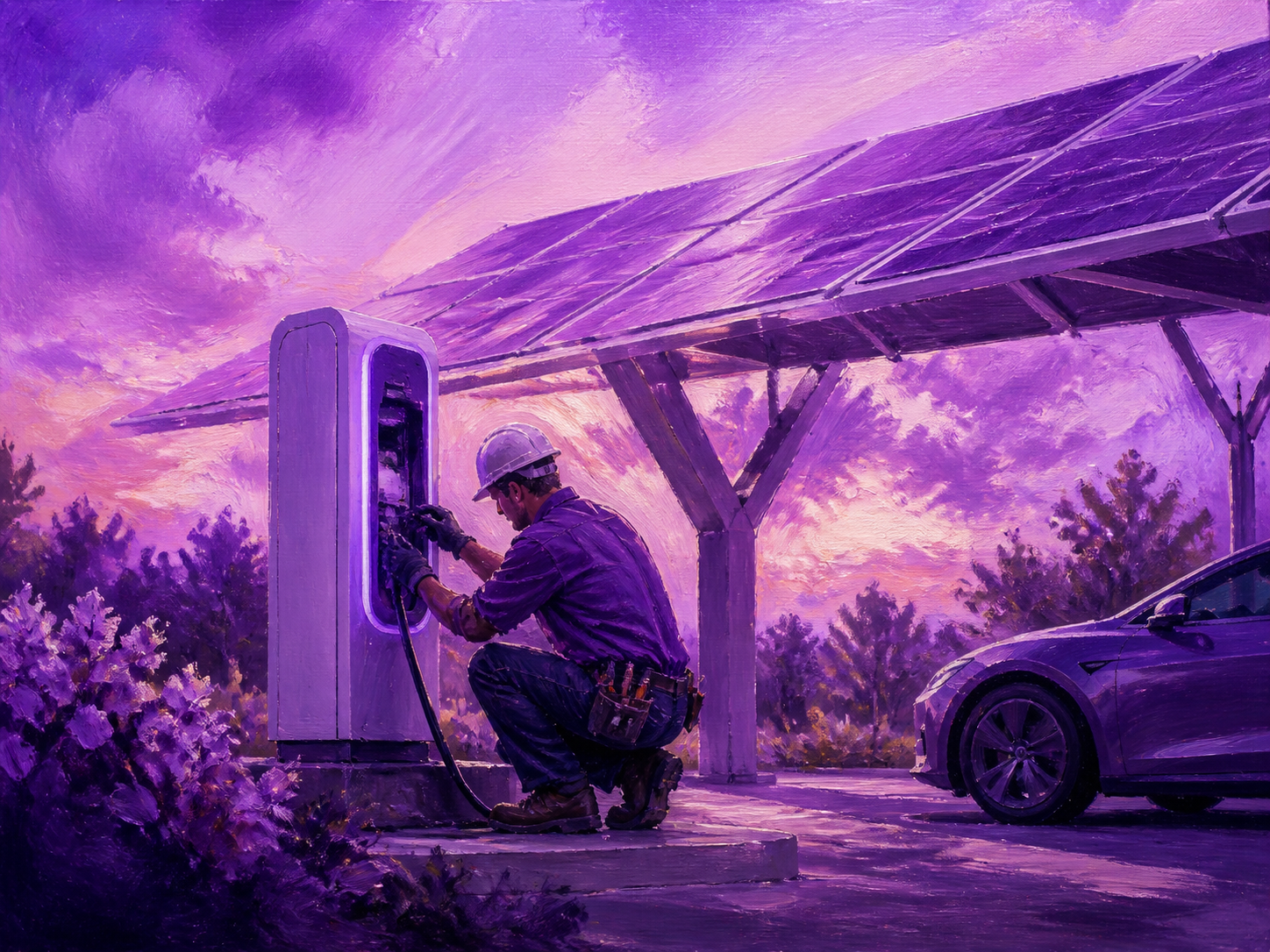
Employers face a version of the same math. Green-certified crews win bids – sustainable construction requirements are now contractual, and clients audit workforce qualifications. Investing in certifying an existing workforce beats competing for scarce pre-certified talent.
The green corridor
There is a larger story here about the direction of Gulf migration. The region’s first chapter imported muscle; its second imports certified skill. Green economy roles sit at the premium end of that shift – and they point toward a Gulf labour market where the most valuable migrant worker is the most trained one.
For any worker planning a Gulf career in 2026, the advice writes itself. Learn the trade. Then learn the green version of the trade. The premium is real, the demand is structural, and the window is open.
About Huntr
Green premiums only reach workers whose certifications are visible. Huntr is the AI operating system for global workforce mobility, giving workers skills-verified profiles employers can search and trust. Learn more about Huntr or explore Huntr ID.
Further reading: IRENA. Related: UAE’s Green Revolution: Transforming Construction, Careers, and the Future.

Related Articles

The Skilling Dividend: How India’s Training Missions Became Gulf Currency

From Manila to Dubai: What a Hospitality Career Ladder Looks Like in 2026