Facilities Management: The Gulf’s Quiet Giant of Frontline Employment

When people picture Gulf employment, they picture cranes. They should also picture the towers after the cranes leave – because keeping them running employs nearly as many people as building them. Facilities management – the cleaning, maintenance, security, landscaping and technical operations that keep buildings alive – has become one of the Gulf’s largest and most stable sources of frontline work.
Every completed giga-project becomes a permanent FM workforce. The mathematics of the Gulf’s construction boom guarantee it.
An industry hiding in plain sight
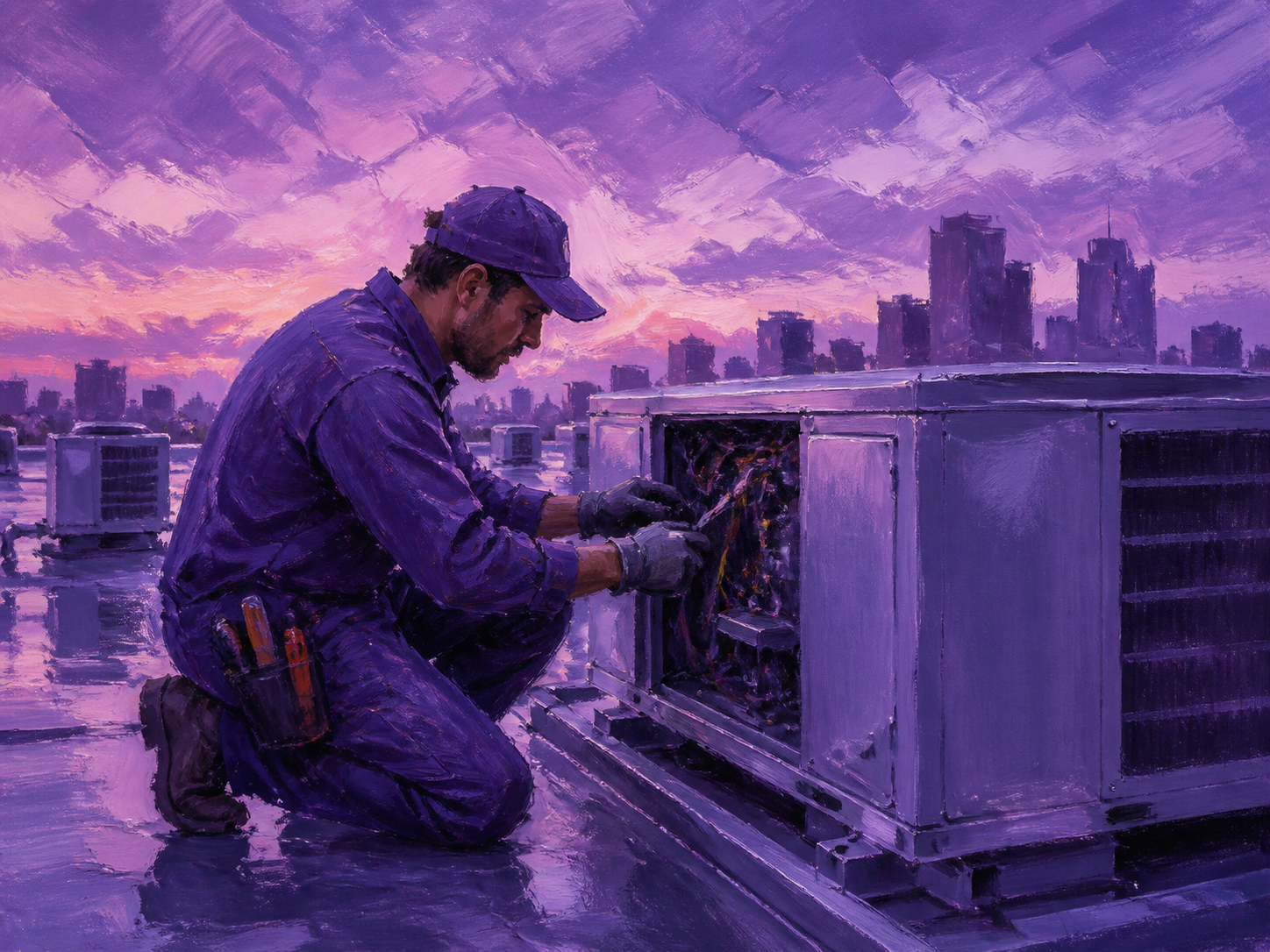
Facilities management covers an enormous range: HVAC technicians keeping towers cool through August, cleaners and housekeepers across thousands of hotels and malls, security guards at every gate, electricians and plumbers on call, landscapers maintaining green space in the desert. The Gulf’s FM market is worth tens of billions of dollars and grows with every handover.
Unlike construction, FM demand does not spike and fall with project cycles. A tower needs its FM crew for fifty years. For workers, that means something precious in Gulf employment: stability. FM contracts run long, renew often, and convert project work into careers.
The skills profile
FM rewards exactly the certified trades the market is short of: HVAC, electrical, plumbing and building-management-system skills command strong premiums. Soft services – cleaning, security, landscaping – offer entry points with genuine progression into supervisory and technical roles for workers who train.
The client side is professionalising too. FM contracts increasingly specify workforce standards: certified technicians, insured and documented workers, response-time guarantees. This pushes the whole industry toward the formal, compliant employment practices that protect workers best.
Why it matters for migration
For source-country workers, FM offers a distinctive deal: slightly lower peak wages than premium construction trades, traded for indoor work, long contracts and career paths that can span decades in a single city. Many of the Gulf’s longest-settled migrant professionals began in FM roles.
For the Gulf’s future, FM is the industry’s second act. The region spent two decades building the built environment. It will spend the next five running it – and the quiet giant of frontline employment will keep growing, building by building, long after the cranes come down.
About Huntr
FM workforces are large, distributed and always on. Huntr is the AI operating system for global workforce mobility, helping enterprises source and manage frontline teams at that scale. Learn more about Huntr or explore Enterprise.
Further reading: IFMA. Related: Dubai’s Migrant Workers: The Real Architects of Its Tomorrow.

Related Articles
Retention Starts at the Labour Camp: What Employers Get Wrong About Frontline Retention

Employer Branding Isn’t Just for Offices: Why Workers Choose One Contractor Over Another